PIL in India: When and How to File a Public Interest Litigation
भारत में जनहित याचिका (PIL): कब, कहाँ और कैसे दाखिल करें

"Public Interest Litigation is India's most powerful constitutional mechanism for systemic reform. Discover the jurisdiction of High Courts and Supreme Court, permissible causes, and procedural guidelines."
1. The Philosophy of Public Interest Litigation (PIL)
Introduced into Indian jurisprudence by pioneering jurists including Justice P.N. Bhagwati and Justice V.R. Krishna Iyer, PIL relaxed the traditional rule of 'Locus Standi'.
Under PIL, any public-spirited citizen or registered organization can petition the constitutional courts on behalf of marginalized communities, public welfare, or constitutional violations.
2. Constitutional Foundations: Article 32 vs Article 226
A PIL can be instituted under Article 32 directly before the Supreme Court for violation of fundamental rights (Part III of the Constitution), or under Article 226 before the respective State High Court for broader legal or fundamental rights.
Generally, High Courts should be approached first unless national implications or pan-India constitutional questions are involved.
3. Legitimate Subjects for a PIL
Courts actively entertain PILs addressing environmental pollution, conservation of rivers and heritage sites, bonded labour, custodial violence, prison reforms, public health infrastructure, and arbitrary governance.
- Environmental protection, illegal deforestation, and toxic waste dumping.
- Food safety, counterfeit pharmaceuticals, and access to drinking water.
- Rights of children, women safety, and dignified conditions in mental healthcare facilities.
- Illegal encroachments on public parks, lakes, and archaeological properties.
4. What Cannot be Filed as a PIL
The Supreme Court of India has issued strict guidelines against abuse of PIL for personal vendetta, political mudslinging, or commercial blackmail. Service matters, landlord-tenant disputes, and private contractual controversies will be dismissed with heavy exemplary costs.
Facing a similar legal challenge?
Consult the experienced advocates at MK Associates. Our panel represents clients in District Courts, High Courts & Supreme Court of India.
More Legal Insights · अन्य कानूनी लेख
 Criminal Law
Understanding BNS 2023: Key Changes from IPC
The Bharatiya Nyaya Sanhita (BNS) 2023 has overhauled India's penal framework. This comprehensive analysis breaks down critical modifications in bail norms, definitions of offences, community service provisions, and procedural rights.
Read in New Tab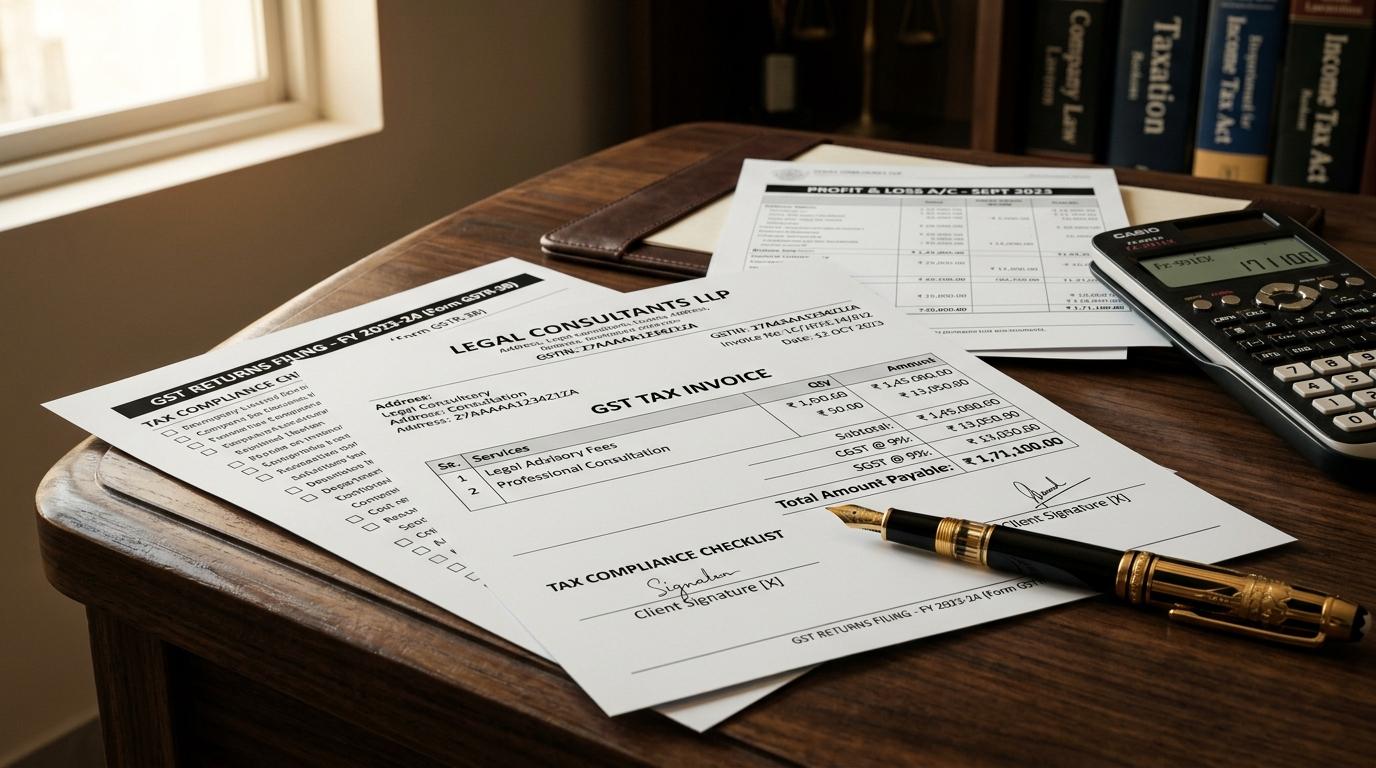 Tax Law
GST Compliance for Small Businesses: A Practical Guide
A complete legal handbook for Indian startups and MSMEs on GST registration, GSTR-1 and GSTR-3B filings, Input Tax Credit (ITC) reconciliation, and handling Section 73/74 show-cause notices.
Read in New Tab